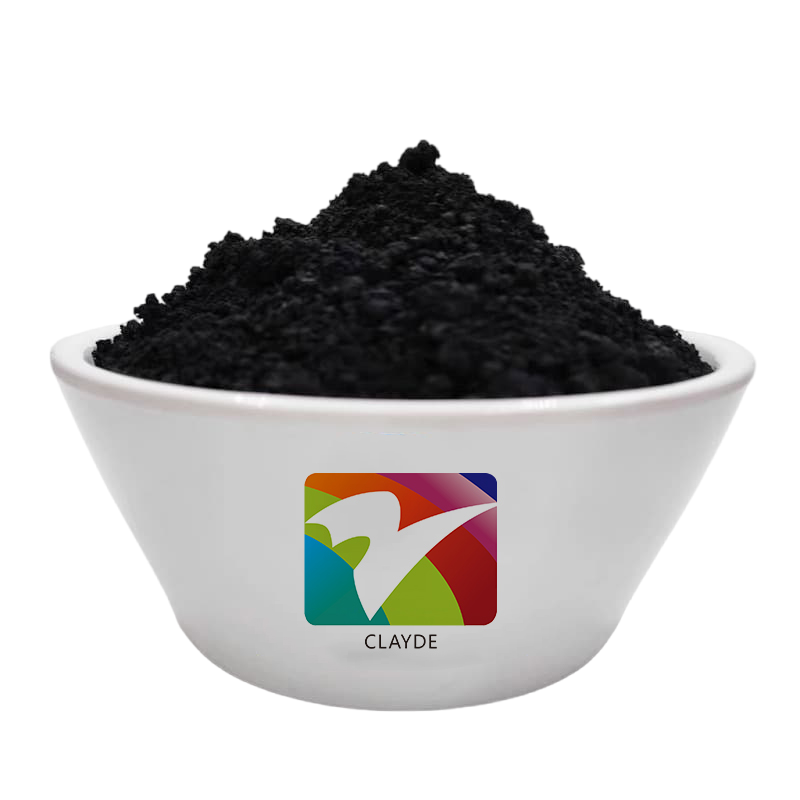
Co. Oxide or cobalt oxide, is an inorganic compound, primarily existing as cobalt monoxide (CoO) and cobaltic oxide (Co3O4). It typically appears as a black or grey powder and is known for its high chemical stability and corrosion resistance. It is widely used in various industrial sectors, particularly in ceramics, glass, and battery industries.
| COMPOSITION | STANDARD % | RESULT % |
|---|---|---|
| Co | ≥72.00 | 72.18 |
| Na | ≤0.1 | 0.10 |
| Ca | ≤0.5 | 0.020 |
| Cu | ≤0.05 | 0.00074 |
| Mg | ≤0.5 | 0.028 |
| Mn | ≤0.05 | 0.00066 |
| Fe | ≤0.05 | 0.011 |
| Ni | ≤0.05 | 0.0017 |
| Zn | ≤0.05 | 0.00084 |
| Pb | ≤0.002 | 0.0012 |
| Cd | ≤0.005 | 0.00010 |
| As | ≤0.005 | No |
| Density (g/cm³) | 0.8-1.2 | 1.01 |
| Particle Size | 100 mesh sieve | All Pass |
| 300 mesh sieve | 99.66 | |
| Appearance | Grey Black powder, dry without impurity | Pass |
Ceramics Industry: Cobalt oxide is commonly used in ceramic glazes and pigments, providing shades of blue, purple, or grey to ceramics.
Glass Industry: In glass manufacturing, cobalt oxide is used as a coloring agent, often applied in the production of blue glass.
Battery Manufacturing: Cobalt oxide is a crucial component in lithium-ion batteries, enhancing the energy density and stability of the battery.
Catalyst: Cobalt oxide is widely used as a catalyst in various chemical reactions, particularly in petroleum refining and syngas production.

Leading Globally
Crafting Pigments
With Expertise
© 2024-ZHONGLONG MATERIALS LIMITED All rights reserved
Protected By Copyright